Samsung Galaxy Z Fold 6 vs. OnePlus Open: 3 Critical Truths Before You Buy
Samsung Galaxy Z Fold 6 vs. OnePlus Open: 3 Critical Truths Before You Buy
For years, the foldable phone debate has centered on one key question: should the front screen be tall and narrow, or short and wide? Should it feel like a unique device or a familiar smartphone?
Two prominent examples of these opposing philosophies are the established Samsung Galaxy Z Fold 6 and its powerhouse rival, the OnePlus Open. This isn't just about what's new; it's about what you gain and what you give up with each design.
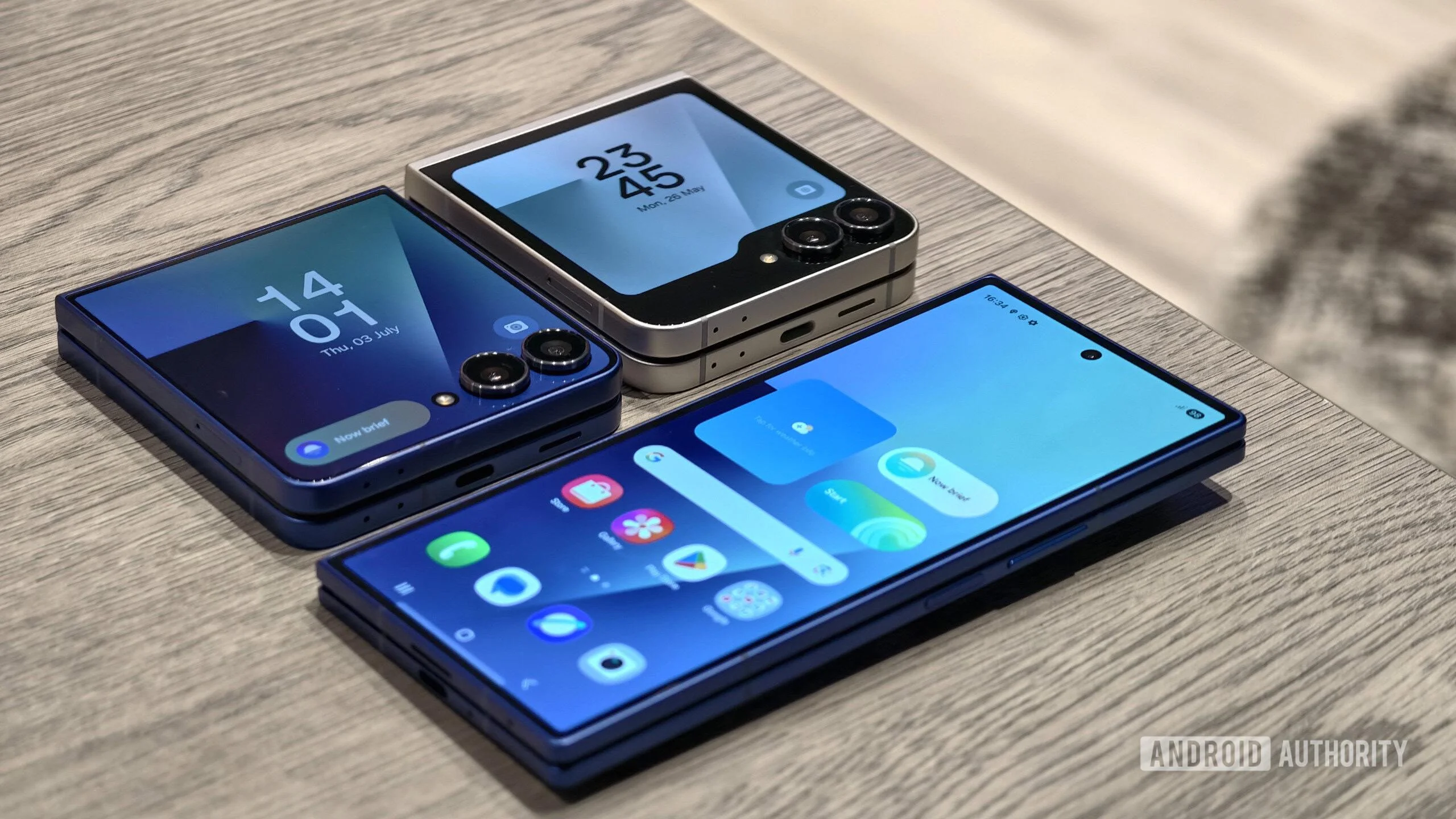
Two different approaches to the foldable form factor.
Forget abstract concepts. The choice between these two devices has a real impact on your daily routine. We're diving into the three must-knows before you drop serious cash on a folding phone.
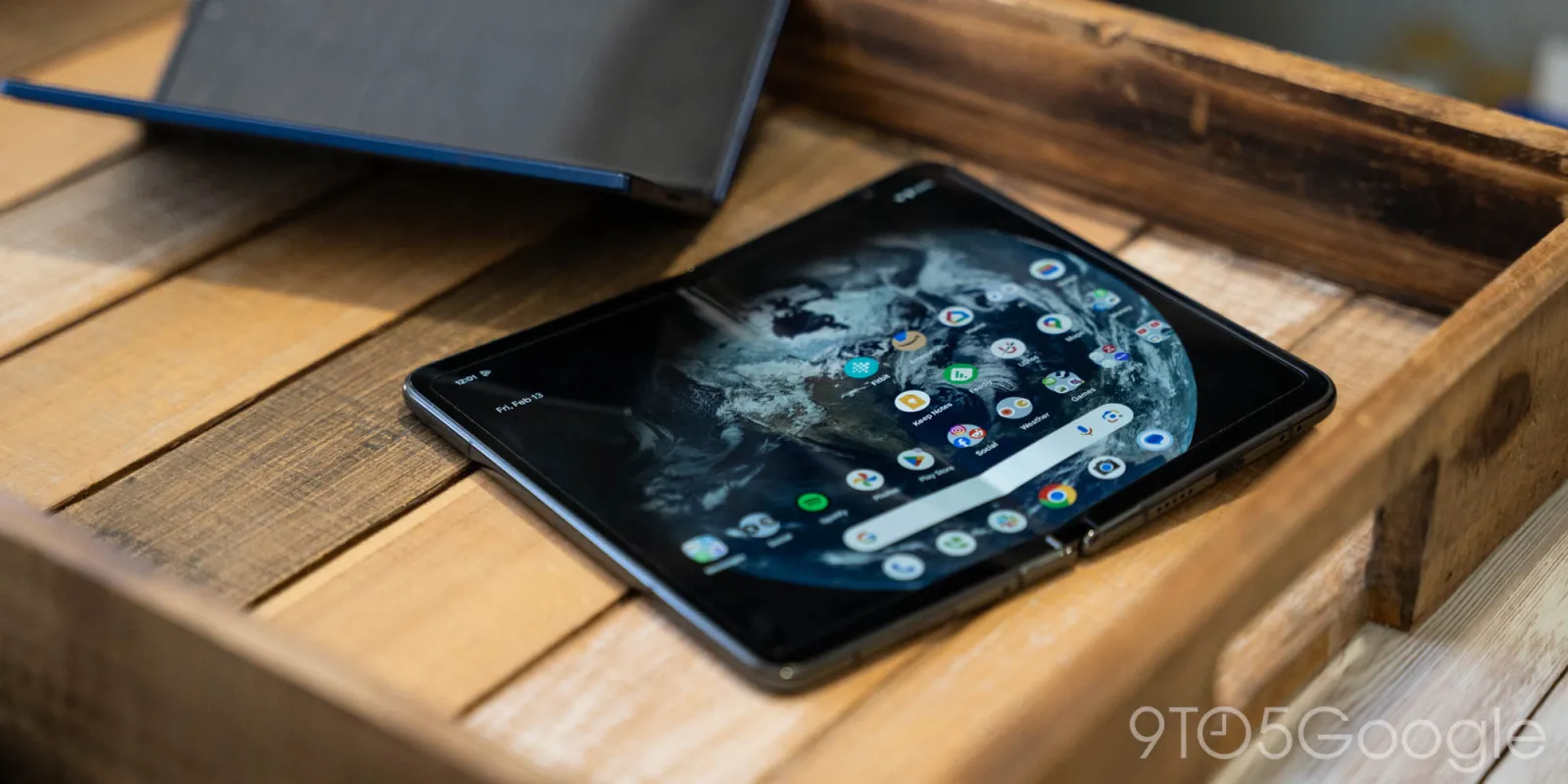
The inner screen is where foldables promise true multitasking.
1. Cover Screen Philosophy: A Tale of Two Displays
The biggest difference hits you right away: the cover screen. The OnePlus Open boasts a wide front display that feels just like a traditional, high-end smartphone. Typing, scrolling, and navigating are immediately familiar. It's designed for people who want a regular phone that happens to fold open into a tablet.
The Galaxy Z Fold 6 continues Samsung's tall-and-narrow approach. Its cover screen is great for one-handed scrolling through feeds and quick checks, but can feel cramped for extensive typing. This design prioritizes a more manageable width when the device is closed.
This choice directly impacts the inner screen. When unfolded, the Z Fold 6 has a more squarish display, ideal for running two apps side-by-side vertically. The OnePlus Open unfolds into a more landscape-oriented canvas. Watching any standard 16:9 or 21:9 movie on the Z Fold 6's inner screen will have smaller black bars than on the OnePlus Open, giving Samsung the edge for media consumption on the main display.
2. Ergonomics & Portability: Tall and Narrow vs. Short and Wide
That familiar, wider cover screen on the OnePlus Open comes with a wider footprint. When folded, it's a substantial device that may require two hands for comfortable use, much like a 'Pro Max' slab phone.
In contrast, the Z Fold 6 is easier to grip one-handed when closed. However, this narrowness can make it feel top-heavy, and its thickness is noticeable in a pocket.
- Pocket Fit: The Z Fold 6's narrower body may slide into pockets more easily, but the OnePlus Open is slightly thinner. Think about your daily carry: do you prefer a narrow but thick device or a wide but thin one? That's the core of this foldable form factor choice.
- Weight & Balance: At 239 grams, the Z Fold 6 remains a competitively light foldable. Impressively, the OnePlus Open matches that weight (in Voyager Black) despite its larger size, thanks to lightweight materials. The Open's wider stance can feel more balanced in the hand, while the Fold 6's narrow profile is unique.
- In-Hand Feel: The Z Fold 6 has sharp, flat edges, a design that feels modern but can be less comfortable to hold for long periods. The OnePlus Open has rounded edges that fit more softly in the palm.
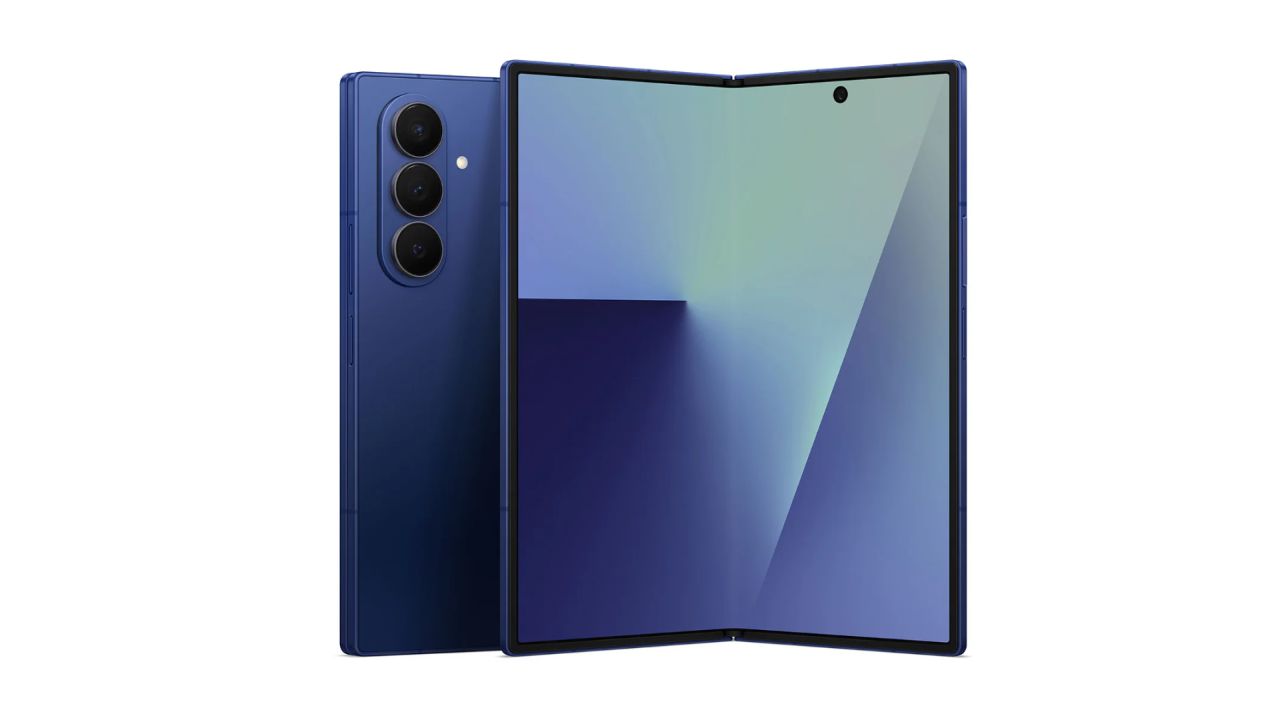
The choice in form factor affects both closed and open-use cases.
3. Software & Multitasking: One UI vs. Open Canvas
The foldable market offers clear choices now. Your decision hinges on how you plan to use the large inner screen of your premium folding phone.
Choose the Samsung Galaxy Z Fold 6 if: You are deep in the Samsung ecosystem. You want the best-in-class software support, with seven years of promised OS and security updates. You utilize features like DeX for a desktop-like experience and appreciate the advanced multitasking and taskbar refinements of One UI. The slightly better performance of the newer processor is also a key consideration for power users.
Stick with the OnePlus Open if: You prioritize intuitive, powerful multitasking. OnePlus's 'Open Canvas' allows you to run multiple apps in resizable windows that extend beyond the screen's physical boundaries, a game-changer for productivity. You also prefer a more stock-like Android experience and value the convenience of a much faster-charging battery (with the charger included in the box).
Beyond the form factor, think about longevity. The Z Fold 6's promise of seven years of updates is industry-leading and a major selling point. The OnePlus Open offers a very respectable four years of OS updates and five years of security patches, which is still excellent.
The key difference is the software philosophy. Samsung provides a feature-packed, all-encompassing suite, while OnePlus focuses on a clean, fast, and innovative approach to big-screen multitasking. This makes the choice less about which is better and more about which is better for *you* and your long-term software support priorities.
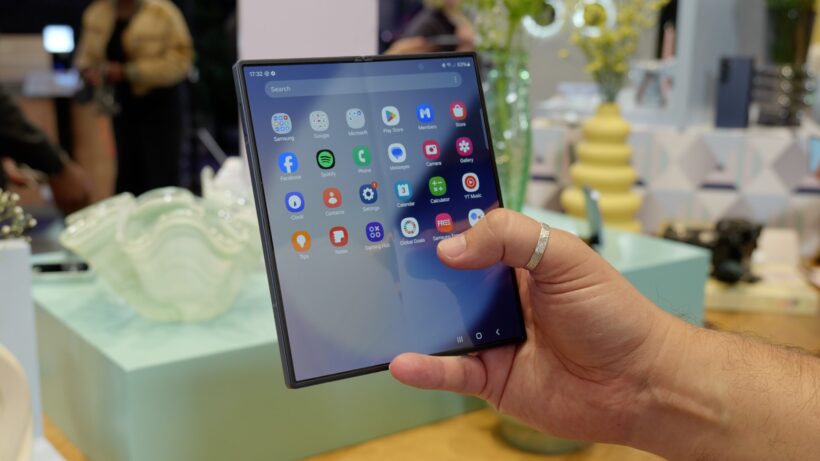
Ultimately, the best foldable is the one that fits your hands and your habits.
The Samsung Galaxy Z Fold 6 is a stunner; see what it's going for:

AI Generated Conceptual Comparison
AI Illustration

$659.95
Check Price on Amazon
The OnePlus Open nails the 'phone-first' foldable experience that many have craved. But the Galaxy Z Fold 6's refined software, superior update policy, and more powerful processor make it a productivity titan.
There's no single "perfect" foldable, just different, smart trade-offs. The real question is: do you want a tablet that folds into a narrow phone, or a normal phone that unfolds into a tablet for your next Samsung foldable or its top competitor?


Comments
Post a Comment