Pixel 9's AI vs. Nothing's Glyphs: The 2026 Tech Showdown of Minds and Lights
Pixel 9's AI vs. Nothing's Glyphs: The 2026 Tech Showdown of Minds and Lights
As 2026 unfolds, the smartphone arena presents a fascinating dichotomy. Beyond raw hardware specifications, it's a fundamental divergence in design philosophy. Google's Pixel 9, a proven innovator since its late 2025 launch, has redefined daily interaction with its pervasive, proactive AI. Conversely, the anticipated Nothing Phone (4), still cloaked in rumor, hints at an opposing vision: technology that intentionally fades into the background. The core question for consumers isn't just what a phone can do, but how it should behave. Do you prefer a device that anticipates your every move, or one that informs subtly and then steps aside?
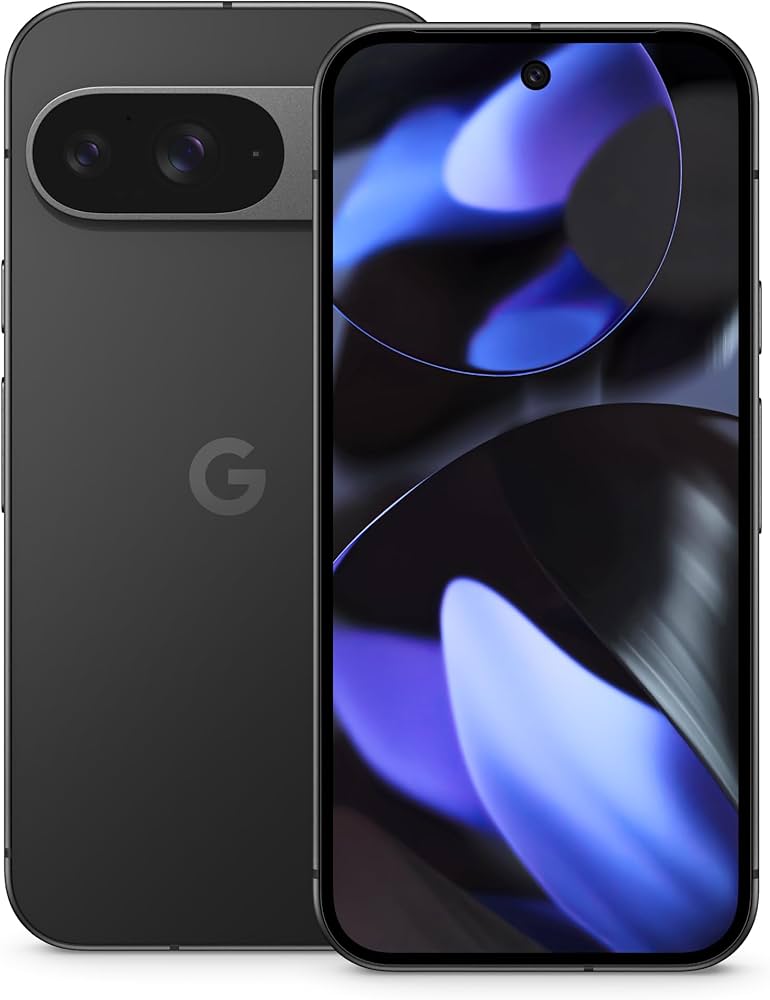
Google Pixel 7 obsidian black phone
Nothing Phone (4) Glyphs: Digital Mindfulness and Focused Interaction
The Nothing Phone (4) remains shrouded in the usual pre-release intrigue. However, reliable industry sources suggest a trajectory of thoughtful refinement rather than a dramatic redesign. Anticipate an evolved Glyph Interface featuring increased lighting zones, enhanced brightness and efficiency from its LEDs, and more profound, context-aware app integrations. The underlying premise is clear: a smartphone that, when placed face down, can instantly convey not just the caller's identity, but the immediate priority or nature of an incoming message.
This isn't merely an aesthetic flourish; it’s a deliberate engineering choice aimed squarely at fostering digital mindfulness. The pervasive vibration alerts and constant screen flashes often trigger anxiety, creating an almost involuntary compulsion to check. But envision a personalized light signaturediscreet yet distinctivedifferentiating an urgent family message from a non-critical work email. This innovative approach empowers you to proactively manage your attention, serving as an intelligent, silent filter against the ceaseless torrent of digital distractions. For users grappling with notification fatigue or actively seeking to curb screen addiction, the Glyph philosophy offers a potent solution. It fundamentally redefines the phone-user dynamic, transitioning from a device that demands attention to one that respectfully conveys information. Consider this scenario: during a critical presentation, a quick, almost imperceptible glance at a specific light pattern immediately confirms a notification is merely a casual social media mention, not an emergency. That’s true control, elegantly delivered through light.
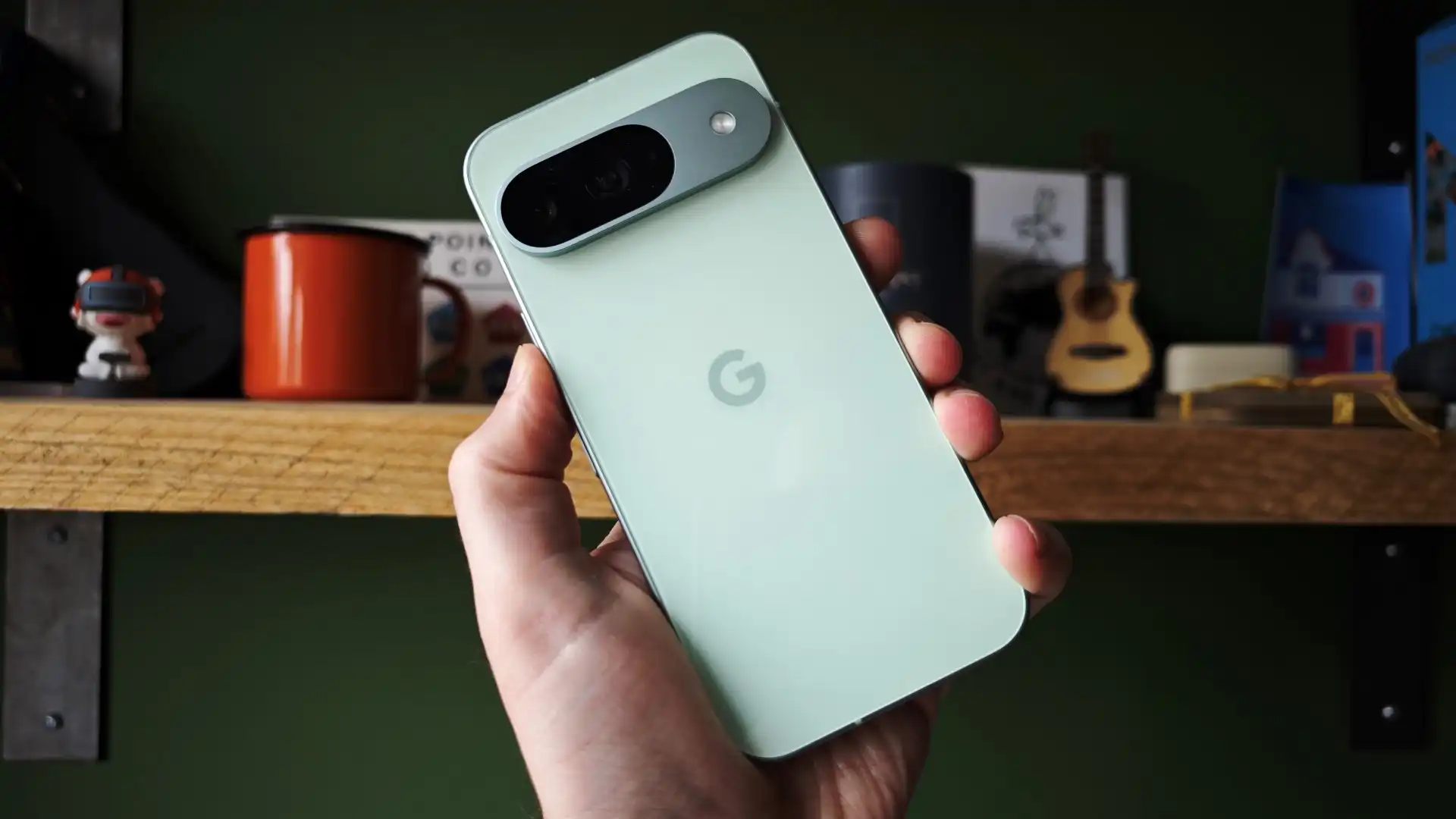
Green Google Pixel 7 held in hand
Pixel 9's Proactive AI: Seamless Integration and Daily Efficiency
The Google Pixel 9 is no longer theoretical; it's a tangible reality firmly embedded in the hands of consumers. Since its late 2025 debut, its sophisticated on-device AI, meticulously powered by a highly refined Gemini model, has transcended mere marketing hype to become an integral part of everyday life. This isn't about simple voice commands; it’s the phone intuitively anticipating and executing tasks without explicit prompting. It represents Google's most ambitious, and arguably most effective, endeavor to deliver a genuinely proactive and intelligent computing experience.
A typical day with the Pixel 9 involves effortlessly navigating AI-summarized email threads directly within notifications. The device intelligently screens incoming calls, frequently silencing telemarketers before your phone even vibrates. Its software deftly proposes three contextually perfect replies to text messages, conserving valuable cognitive energy. Furthermore, the camera's enhanced Magic Editor has become an indispensable tool, allowing users to seamlessly remove unwanted elements or fine-tune group photo lighting with a single tap. The Pixel 9's ethos isn't about reducing phone usage; it’s about profoundly enhancing the efficiency of every digital interaction. For busy individuals and professionals, it acts as a true cognitive co-pilot, autonomously handling minor decisions and mundane, repetitive tasks that would otherwise deplete mental resources. This smartphone doesn't merely store your data; it intelligently manages and optimizes your digital life.
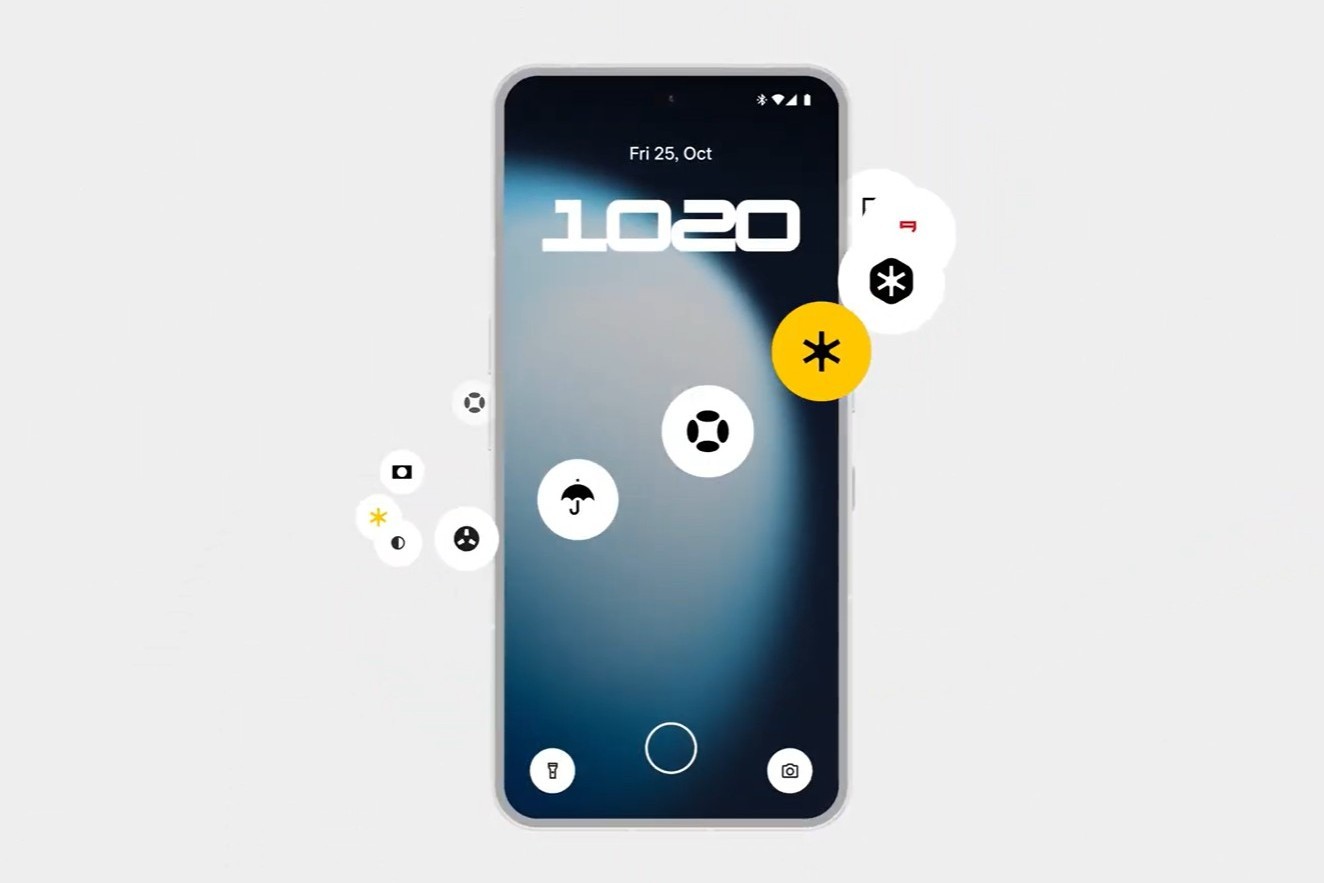
Smartphone concept with minimalist interface
But hey, if your primary concern isn't just AI-driven efficiency or digital zen, but rather how artificial intelligence is radically transforming mobile photography across the board, then you absolutely need to check out our deep dive into Moto Edge 50 Ultra vs. Moto Edge 50 Pro: Which AI Camera is for You? for another perspective on cutting-edge camera tech.
Pixel 9 Value: Software Longevity and Long-Term Investment
Given the Pixel 9's established presence, its long-term software support stands as a significant advantage. Google's consistent track record of delivering extensive software updates promises years of Android version upgrades and crucial security patches. This enduring commitment ensures that your Pixel 9, a device launched late last year, will retain its relevance, security, and feature set well into the future, potentially outperforming some rivals in longevity. Its strong current market value, a direct result of its recent launch and advanced features, positions it as a robust investment for those disinclined to await future speculative releases. For users transitioning from older hardware, the Pixel 9 delivers a substantial upgrade in performance and intelligence, supported by a clear roadmap of ongoing support.
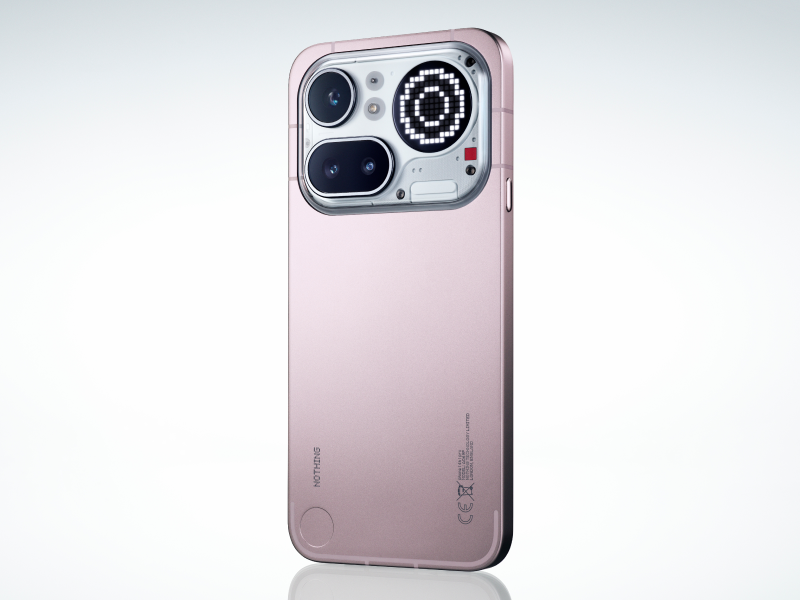
Pink CMF by Nothing smartphone
Choosing Your Smartphone: Minimalist Philosophy vs. AI-Driven Efficiency
Ultimately, the decision between these two compelling devices hinges on a personal philosophy, transcending mere technical specifications. It represents a fundamental divergence in user priorities, and self-awareness of your own needs will illuminate which smartphone truly resonates as a revelation, and which might prove a source of frustration.
The rumored Nothing Phone (4) caters to the intentionalist. This user actively combats notification fatigue, prioritizing uninterrupted focus above all else. They seek a device that serves as an elegant, functional tool when required, yet remains an unobtrusive presence otherwise. The Glyph Interface, if rumors hold true, would function as a powerful aid for self-regulationa feature specifically engineered to facilitate less intrusive phone engagement. This represents technology explicitly designed to foster digital mindfulness.
Conversely, the Google Pixel 9 appeals directly to the efficiency-driven user. This individual thrives on automation, desiring their smartphone to be a seamless, powerful extension of their personal and professional life. They readily embrace the exchange of data for unparalleled convenience, seeking an AI that proactively anticipates needs rather than merely reacting to commands. Their goal isn't to reduce phone usage, but to achieve significantly more with it. This is technology unequivocally serving peak productivity.
It's not an easy decision. It reflects how you choose to navigate the demands of the modern world.
- Consider the Nothing Phone (4), if rumors prove accurate, if: You're actively fighting notification overload, you believe your phone should be a tool you fully control, and you value unique design that genuinely enhances function.
- Stick with the established Pixel 9 if: You crave the smartest, most helpful software experience available, your phone is a primary workhorse, and you want AI to actively streamline your daily tasks.
This isn't about which phone is objectively "better." It's about which phone is better for you. It's a fascinating clash between two compelling visions for personal tech.
So, where do you land? Are you looking to reclaim your attention from your phone, or empower it to do more?

Not sold on the new Nothing? The NothingPhone (3) is still a strong contender:

$739
Check Price on Amazon
AI Generated Conceptual Comparison
AI Illustration


Comments
Post a Comment