HyperOS Unleashed: 3 Ways Xiaomi 16's AI Redefines the Flagship Experience
HyperOS Unleashed: 3 Ways Xiaomi 16's AI Redefines the Flagship Experience
For years, the smartphone software narrative often felt binary: Apple's refined iOS or Samsung's extensive One UI. Yet, after a month immersed in Xiaomi's HyperOS on the flagship Xiaomi 16, a formidable new challenger has solidified its position. This isn't merely a visual overlay; it's a fundamental reimagining of what an operating system can accomplish for its user.
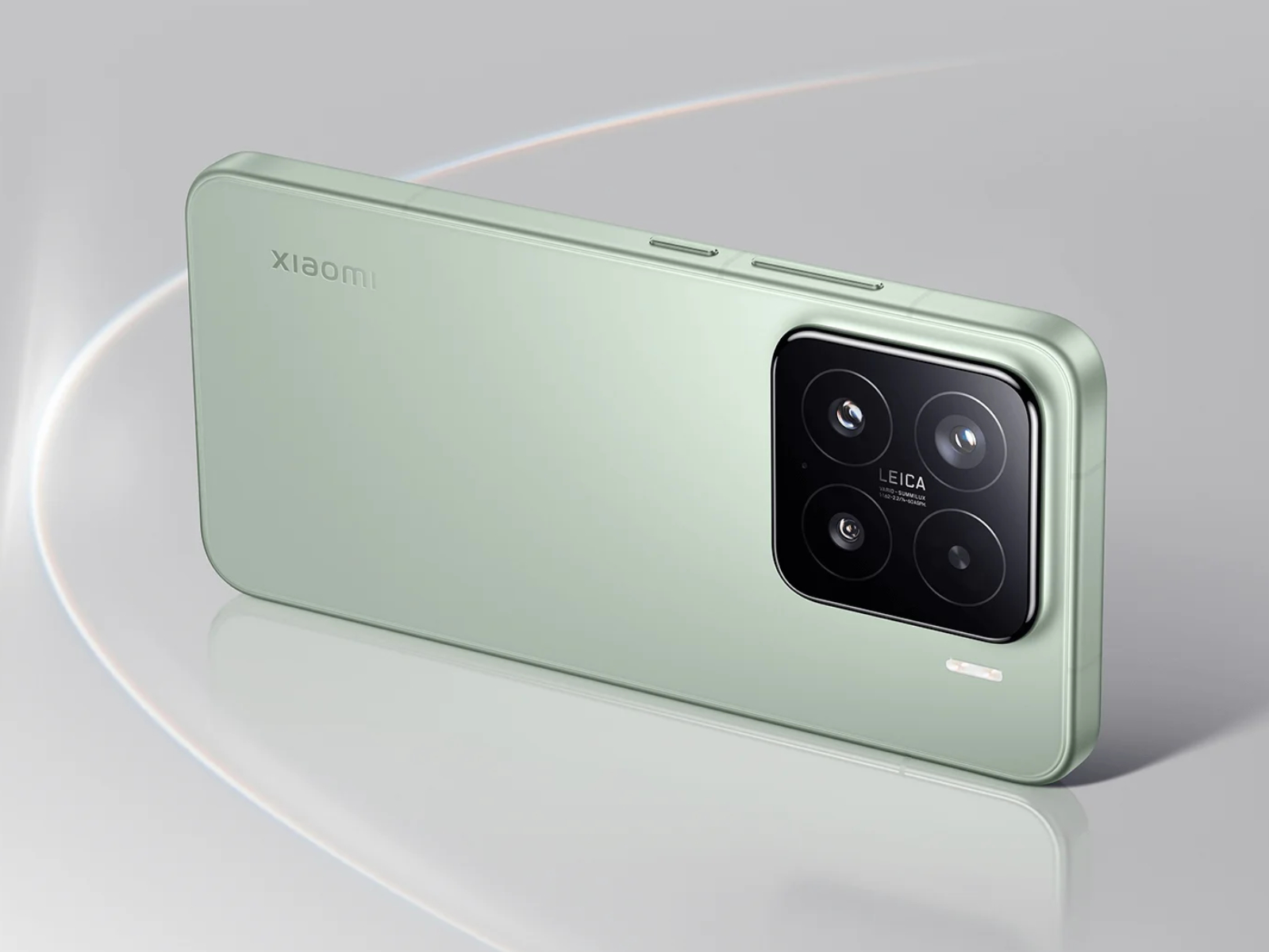
Green Xiaomi smartphone with Leica camera
The Xiaomi 16, with its deep integration of HyperOS, isn't just catching up. It's setting a new benchmark, especially when compared to current market leaders like the Samsung Galaxy S25 Ultra. While powerful, the S25 Ultra largely operates within established mobile OS paradigms. The distinction isn't about raw processing power; it's about intelligent, anticipatory design.
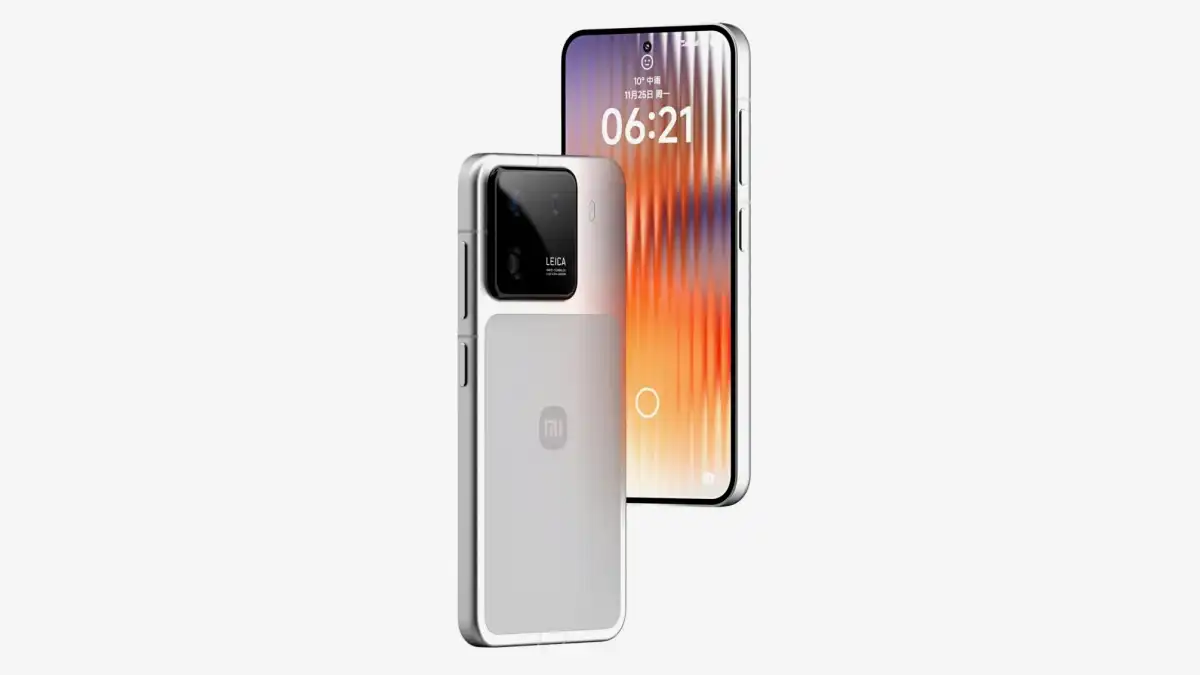
Xiaomi smartphone featuring Leica camera
HyperMind: Proactive AI Anticipating Your Needs
The most profound change within HyperOS isn't a setting you toggle. It's the ambient, predictive intelligence Xiaomi terms HyperMind. While most phones, including the S25 Ultra, respond to explicit commands, the Xiaomi 16's HyperOS learns your routines and acts proactively. After weeks of use, its anticipatory capabilities are strikingly effective. The device transitions from a reactive tool to a truly proactive personal assistant.
Consider a busy morning. You have an important, unfamiliar meeting across town. Other systems might display traffic updates if you open a navigation app. HyperOS, however, recognizing your new calendar event and typical departure time, preemptively sends a notification: "Heavier than usual traffic on your route downtown. Depart by 8:15 AM to arrive promptly." This isn't an isolated app alert; it's the core OS intelligently connecting disparate data points. This foresight extends to optimizing app performance, managing battery life, and even seamlessly switching networks, enhancing the user experience before potential issues arise.
This isn't primarily about generating AI images (though that functionality exists). It's about genuine cognitive offloading. The Xiaomi 16 aims to minimize the mental effort you spend managing your device, allowing you to focus on your actual life. It's the first OS that consistently feels like it’s working actively for you, rather than demanding your constant attention.
Beyond the Handset: A Seamless Cross-Device Ecosystem
Apple's ecosystem is celebrated for its "it just works" connectivity, yet it often necessitates adherence to its proprietary, premium hardware. Xiaomi's vision with HyperOS is both more expansive and refreshingly interoperable. The "Human x Car x Home" strategy isn't merely marketing; it’s a tangible reality, especially for users with multiple Xiaomi devices.
The cross-device experience is remarkably fluid. You can copy text on your Xiaomi 16 and paste it instantly into a document on a Xiaomi Pad 7 Pro, eliminating manual transfers. Your phone's camera effortlessly transforms into a wireless webcam for your laptop. When a call comes in, a discreet pop-up on your laptop allows you to answer without ever touching the phone.
This goes beyond basic screen mirroring or file sharing. It establishes a unified, distributed system. Your devices aren't isolated gadgets but intelligent nodes within a personal computing network. The OS understands context. Watching a video on your tablet? Walk into the living room, and it might intelligently suggest casting it to your Xiaomi TV. This level of interconnectedness, powered by the underlying Xiaomi Vela architecture, offers a holistic grace that even the S25 Ultra, despite its robust SmartThings integration, struggles to match. Speaking of unexpected surprises in flagship performance, you might be shocked to learn that the best camera on a new flagship isn't always the one you expect, according to our latest deep dive.
The Core AI Difference: HyperOS's Foundational Intelligence
For years, smartphone choice often came down to the streamlined simplicity of iOS or the feature-rich versatility of Samsung's Android. The Xiaomi 16, running HyperOS, introduces a compelling third path: the truly intelligent, deeply interconnected ecosystem. It directly challenges the established order, banking on users' desire for an OS that is not just smart, but truly discerning.
Apple's AI, while powerful, often prioritizes on-device processing and user privacy, sometimes limiting its proactive, cloud-informed capabilities. Samsung offers a wealth of AI tools on the S25 Ultra, yet they can occasionally feel like a collection of disparate functions rather than a unified, cohesive intelligence. Xiaomi’s HyperOS strikes a unique balance. It embeds AI at its foundational level, creating an entire user experience that is predictive and seamless. It’s less about what you can explicitly do with AI, and more about what the AI implicitly does for you without prompting.
Naturally, no system is without its trade-offs. The extensive data integration required for HyperMind will undoubtedly raise privacy considerations for some users. However, the execution of its proactive features is undeniable. The Xiaomi 16 signals that Xiaomi is no longer content to merely follow; in the race for a truly intelligent operating system, they are establishing a pace that competitors must now strive to meet.
Consider the long-term value: While the Samsung Galaxy S25 Ultra still benefits from robust software support and regular updates, the depreciation curve for Samsung flagships typically sees a more significant drop in market value after a year compared to, for instance, an iPhone. A novel platform like HyperOS on the Xiaomi 16 presents a fresh value proposition: cutting-edge, foundational AI and a truly unified ecosystem from launch, potentially future-proofing your investment for longer, assuming Xiaomi maintains aggressive support. Relying on a device like the S25 Ultra means leveraging Google's broad AI offerings alongside Samsung's feature-heavy additions, which don't always deliver the same deeply integrated, predictive intelligence that HyperOS aims to provide.
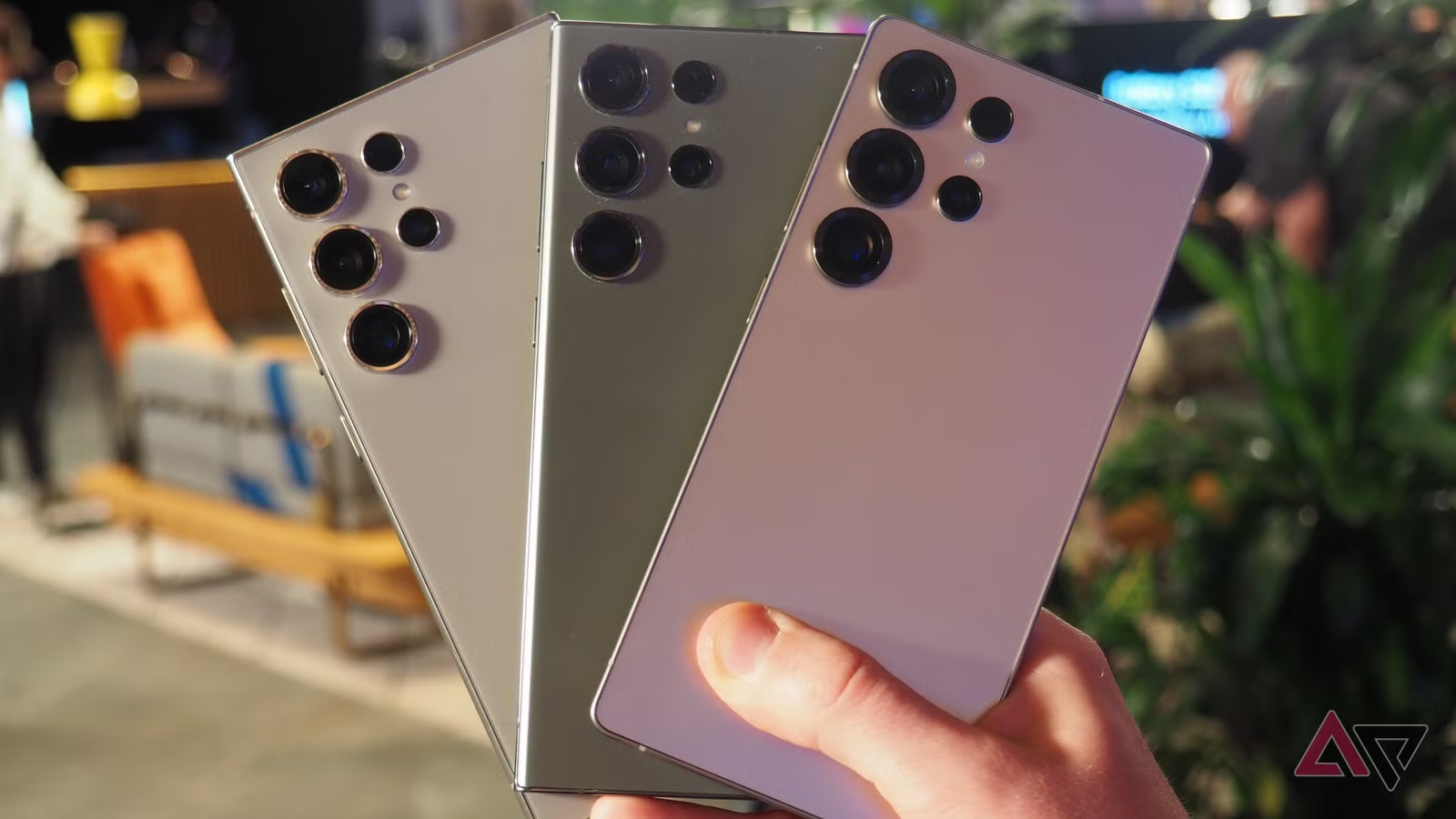
Samsung Galaxy S23 Ultra lineup
The question is no longer if a third major player can compete effectively, but rather how quickly the established giants can adapt to the Xiaomi 16's ambitious vision. Is a truly proactive, deeply interconnected OS more valuable to you than the familiar comfort of iOS or Samsung's One UI?

Alternatively, for an even newer Samsung, the Galaxy S26 Ultra is here:

$1049.99
Check Price on Amazon
AI Generated Conceptual Comparison
AI Illustration


Comments
Post a Comment