Samsung S26 Ultra vs iPhone 17 Pro Max: 2nm Just Killed Your Upgrade Cycle
Stop. Seriously, stop stressing about your phone slowing down after just two years. The 2nm silicon revolution is finally here, ready to torch the thermal throttling that’s plagued our flagships for a solid decade.
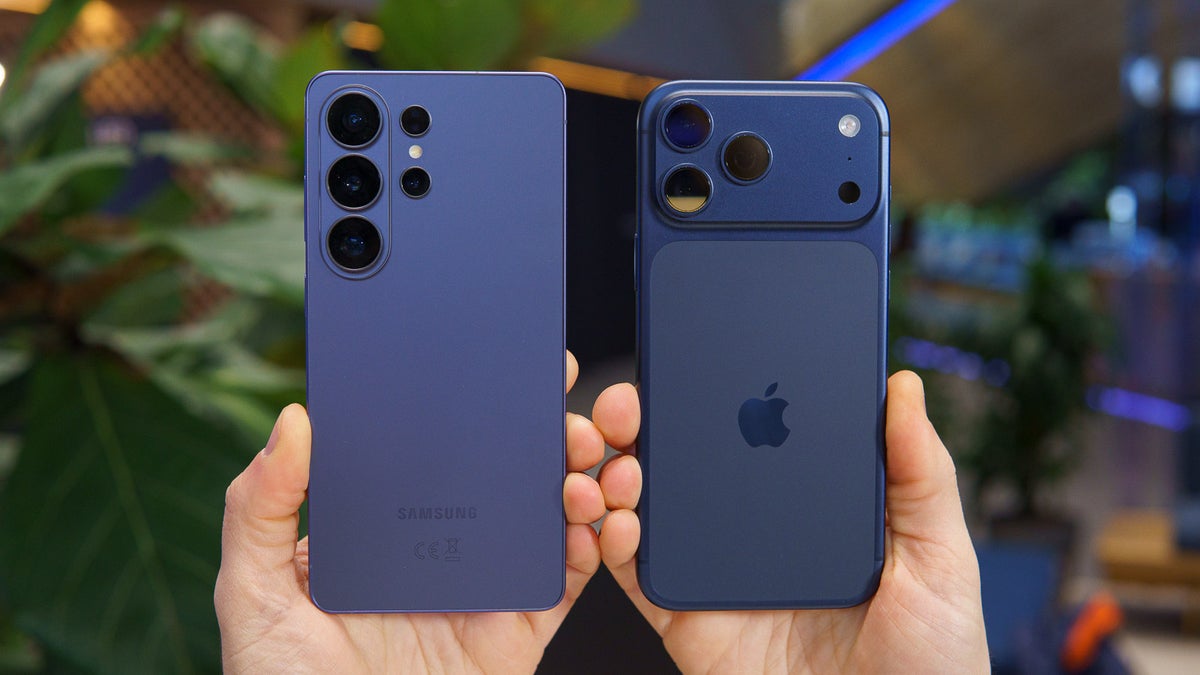
The 2nm Era: 2026 is the Year Your Phone Stops Burning Your Hand
For too long, we’ve chased bigger benchmark numbers. Our phones, meanwhile, turned into literal pocket-warmers. Finally, with a true 2nm architecture, Samsung and Apple are getting their heads straight, prioritizing ruthless efficiency over raw, burning speed.
Heat Sinks Don't Lie: Next-Gen Thermal Management Arrives
- 2nm Architecture: Tiny transistors mean less heat. That's it. Less heat means less power draw, which means your phone won't suddenly dim the screen mid-video call because it's having a meltdown.
- Advanced Thermal Sinks: Bulky, useless heat pipes? Gone. Both the S26 Ultra and iPhone 17 Pro Max are finally embracing vapor chambers that actually work.
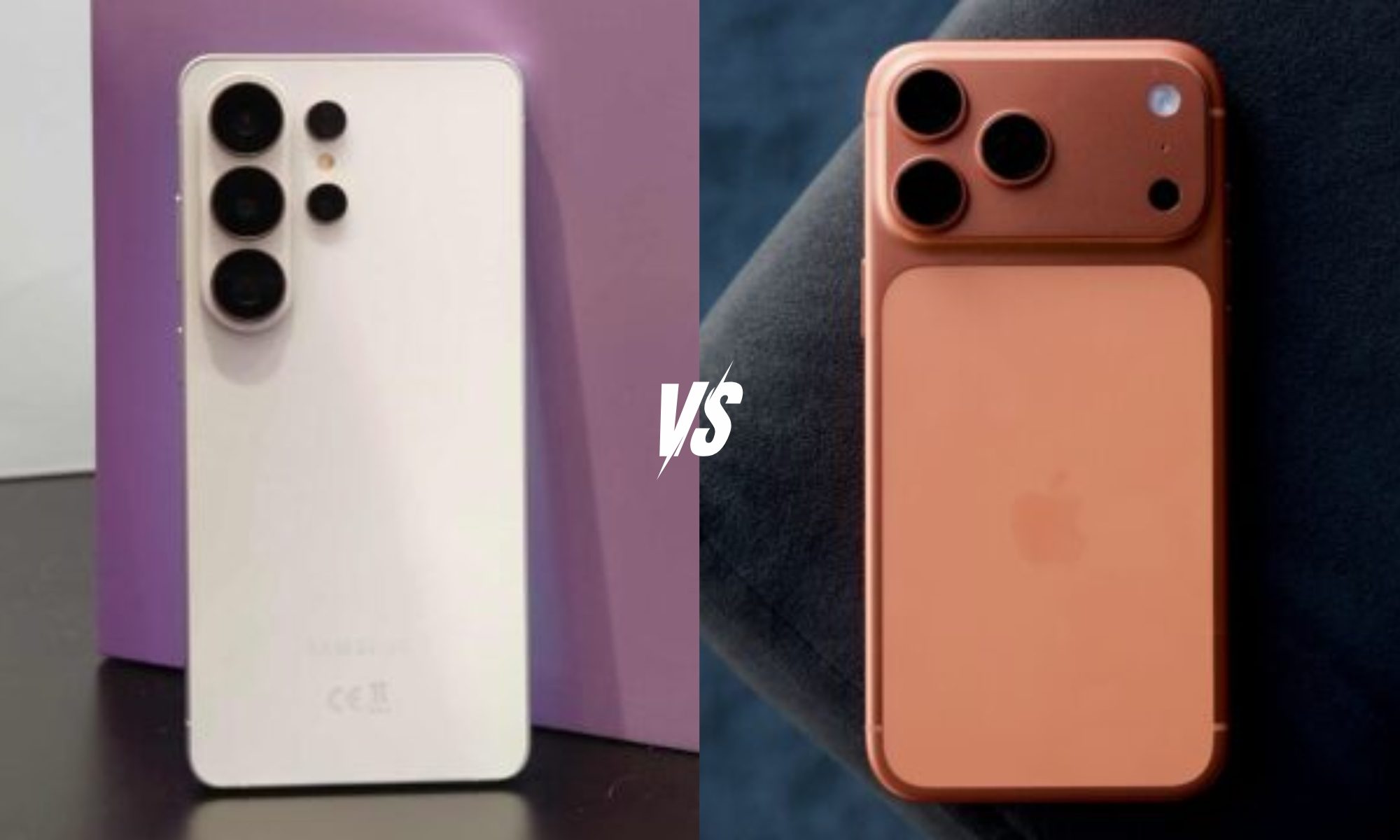
Samsung Galaxy S26 Ultra vs iPhone 17 Pro Max
Source: Digital Trends
Hardware Showdown: AI, Anywhere, Anytime
"Smart" in smartphone used to be just a buzzword. These new chips change everything. All the heavy-lifting AI happens right on your device, no cloud required. You snap a photo, you edit it. No waiting for some distant server to catch up.
No Bars? No Problem. Satellite-to-Cellular is Real.
Forget the cellular bars. Both these devices are integrating native satellite-to-cellular messaging. Hiking off-grid? Stuck in a stadium with zero signal? Your texts will actually send. Truly mind-blowing.
Photography Speeds: The End of "Processing..."
Ever tried to open a 200MP or 48MP RAW photo on your current phone? You get the dreaded "processing" icon, sometimes for an eternity. The 2nm architecture eliminates that. The math happens in real-time. Snap, move on. Your image is perfect, instantly.
The Verdict: Future-Proofing Your Wallet, Or More Expensive Hype?
If you're one of those people who replaces their phone every three years or less, honestly, just skip this upgrade. But if you're like me, someone who wants a device that feels as blisteringly fast in 2030 as it does on launch day, this is the hardware floor you’ve been begging for. The S26 Ultra? That's for the power user who wants the full "kitchen sink" of features. The iPhone 17 Pro Max? That's for the person who simply wants a flawless, set-it-and-forget-it daily driver. Either way, 2nm is the first significant leap in battery health and overall device longevity we’ve witnessed in a long, long time.
True Hardware Longevity: Can a Flagship Really Last 7+ Years?
Sure, both manufacturers are promising seven years of software support. But let's be real: 2nm hardware is the secret sauce that will actually make those years usable. If you want a phone that truly lasts, the efficiency gains here are about to become your new best friend.

Wide angle shot of a bright, colorful futuristic technology showroom filled with various smartphones on display stands. Vibrant ambient lighting, wide environmental view, high-end abstract tech atmosphere, blurred background. NO close-ups, NO detailed phone screens, NO text, NO people. 8k, photorealistic.
Source: AI Generated Illustration
The 2nm era is here, and it’s officially the end of the "disposable flagship" cycle. So, what's your move? Are you jumping on the 2nm upgrade next year, or are you clinging to your current brick until it literally stops turning on?


Comments
Post a Comment