Google Pixel 8 vs. Samsung Galaxy S23: Which Android Flagship Should You Buy?
Google Pixel 8 vs. Samsung Galaxy S23: Which Android Flagship Should You Buy?
Choosing your next Android phone has become a philosophical dilemma. Do you bet on the company building the AI-powered future, or the one that has perfected cramming an unbelievable amount of hardware into a glass slab? In one corner, you have Google's Pixel 8, a phone that thinks. In the other, the Samsung Galaxy S23, a phone that simply does.
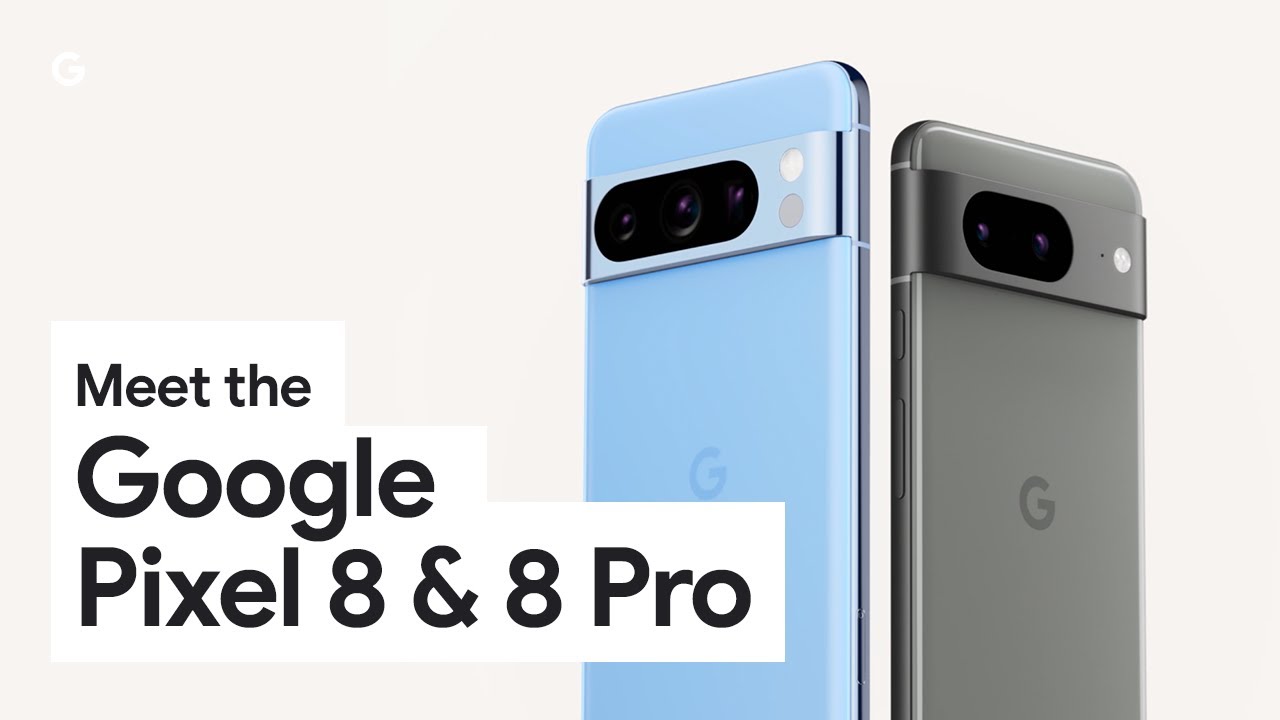
Google Pixel 8 primary view
This isn't just about specs anymore. It’s a clash of ideologies. Google's Pixel line has always been the vessel for its software ambitions, a clean, clever, and almost clairvoyant user experience powered by its own silicon. The Pixel 8 is the peak of that vision. But then there's Samsung. The undisputed king of the Android sales charts, the Galaxy S23 is a testament to relentless iteration, packing features, lenses, and raw power that aim to overwhelm the competition.
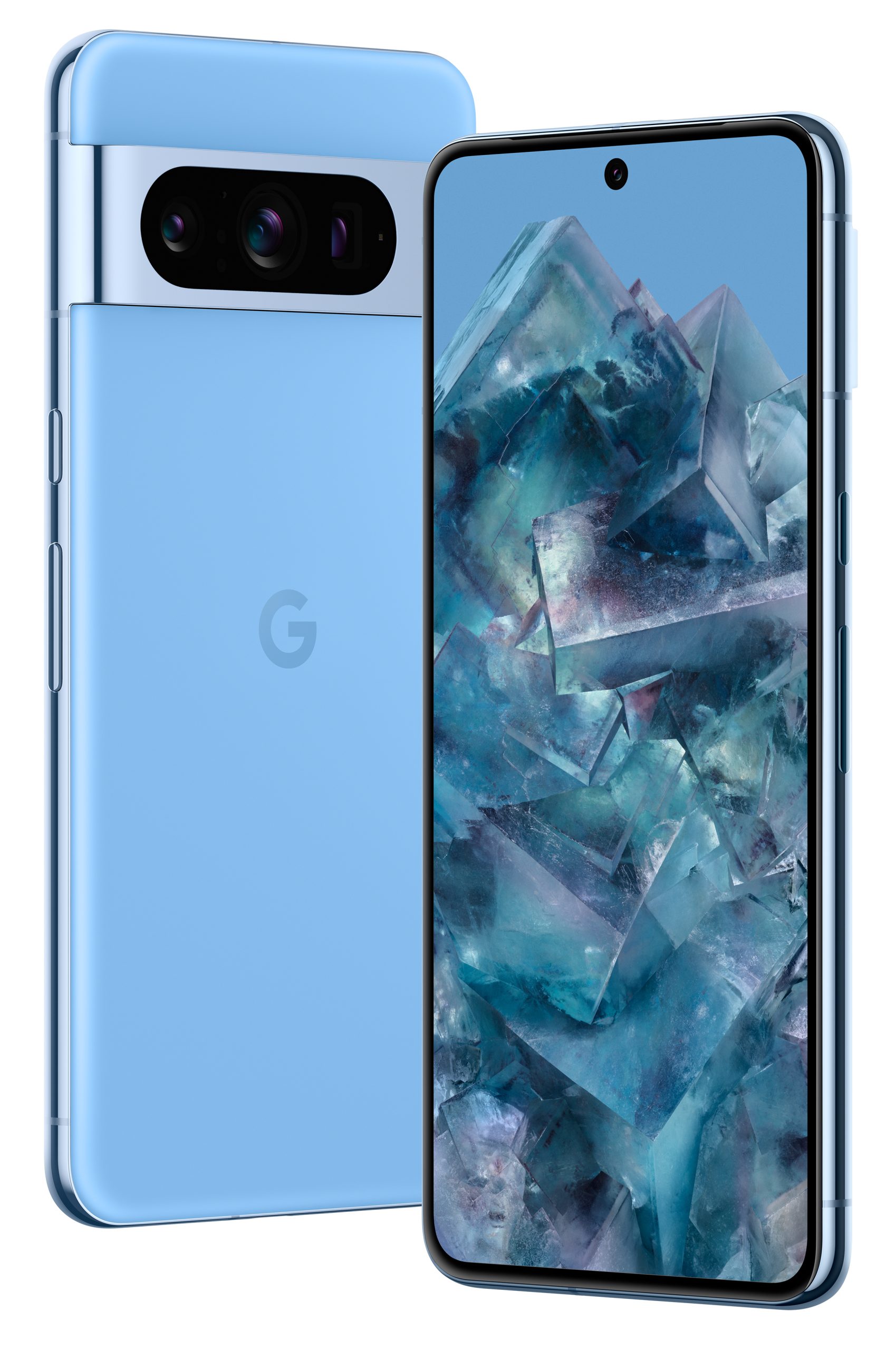
Google Pixel 8 lifestyle
Silicon Showdown: Tensor's Smarts vs. Snapdragon's Fury
At the heart of this battle are two wildly different processors. The Pixel 8 runs on Google's own Tensor G3 chip, a brain built less for raw benchmark scores and more for the complex, on-device AI that powers its signature features. It’s paired with 8GB of RAM. Across the aisle, the Galaxy S23 flexes its muscles with the "Snapdragon 8 Gen 2 for Galaxy", a custom-tuned beast renowned for its blistering gaming performance and efficiency. It, too, has 8GB of RAM. When it comes to power, the Pixel 8's 4,575 mAh battery narrowly beats the S23's 3,900 mAh cell, and it charges slightly faster at 27W versus Samsung's 25W. But the story here is brains versus brawn. Pure and simple.
This difference in philosophy extends to the very feel of the devices. Google’s design is softer, more approachable. The Pixel 8’s rounded corners and matte aluminum frame feel comfortable, while the signature camera bar gives it a unique, almost robotic personality. It’s friendly. Samsung, conversely, opts for a sharper, more clinical look. The Galaxy S23 feels like a precision instrument, with its flat "Armor Aluminum" edges and the trio of camera lenses standing as individual, stark circles. It means business.
Clash of the Cameras: Computational Magic vs. Optical Might
Now for the main event. Google's camera reputation was built on software, and the Pixel 8 leans into that heritage hard. It sports a stellar 50MP main sensor and a 12MP ultrawide, but the real star is the processing. Features like Best Take, which composites faces to ensure everyone is smiling, or the jaw-dropping Magic Eraser, feel like straight-up witchcraft. You’re not just taking a photo; you’re co-creating a perfect moment with an AI partner.
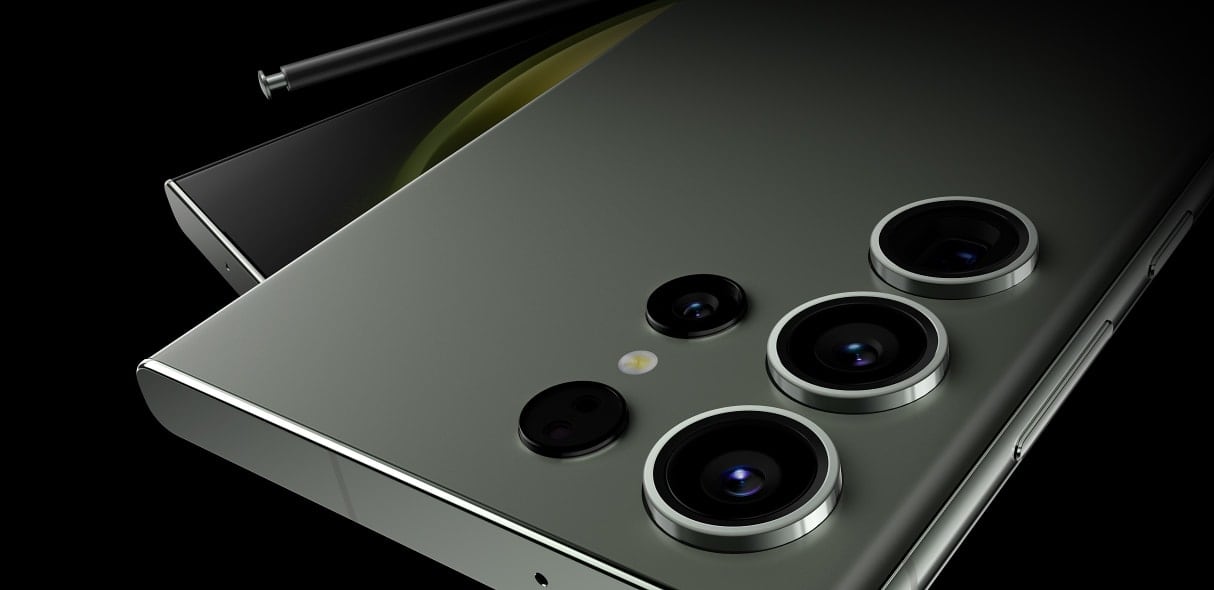
Samsung Galaxy S23 ultra primary view
Samsung’s answer is to throw more hardware at the problem. The Galaxy S23 counters with its own excellent 50MP main and 12MP ultrawide sensors, but it adds a crucial piece of kit: a 10MP telephoto lens with 3x optical zoom. That's not digital trickery. It's real, crisp, reach-out-and-touch-it zoom. For concert-goers or amateur wildlife photographers, that dedicated lens is a game-changer that software can’t fully replicate. It offers a versatility that Google, for all its smarts, simply doesn't have in its base model.

Samsung Galaxy S23 lifestyle
Even the screens tell this story. The Pixel 8's 6.2-inch "Actua" OLED is dazzlingly bright at 2,000 nits, making it a joy to use in direct sunlight. Samsung's 6.1-inch Dynamic AMOLED 2X is no slouch, but it tops out at a lower 1,750 nits. Both feature a buttery-smooth 120Hz refresh rate, but Google’s panel has a slight edge on paper for pure luminescence.

Longevity: The 7-Year Promise vs. The Sunset Clause
There is one last, and perhaps most crucial, factor to consider in this 2026 face-off: time. While the Galaxy S23’s refined hardware is still a joy to use, it is rapidly approaching the end of its promised major Android update cycle. It is a device built for the past and present, but its future is limited.
The Pixel 8, however, was the vanguard of Google’s historical shift toward sustainability. As the first phone guaranteed seven years of full Android and security updates, it is built to remain secure and current until 2030. In 2026, buying a Pixel 8 isn't just about choosing a phone; it's about choosing an investment that will outlast the S23 by a significant margin.
The Final Call: The Artist or The Arsenal?
So, where does that leave you? The decision is less about which phone is "better" and more about who you are. The Google Pixel 8 is for the person who trusts the algorithm. You want the smartest phone, the one that anticipates your needs, cleans up your messy photos, and delivers the purest Android experience possible. It’s a brilliant, helpful companion. The Samsung Galaxy S23, on the other hand, is for the person who wants an arsenal. You want the raw power for any task, the hardware versatility of a true telephoto lens, and the confidence that comes from a spec sheet without compromise. It's a powerful, capable tool. The choice is yours: the digital artist or the hardware arsenal? If you are curious about how these standard slabs compare to the evolving world of hardware innovation, check out how Samsung is rethinking form factors with the Galaxy Z Flip 8.


Comments
Post a Comment